
Identifying Fake Barcodes: Types and Risks

2D barcodes such as QR codes and Data Matrix codes are becoming common on retail products. This marks a big shift in how products are scanned.
GS1, the authority behind global barcode standards, refers to this rollout as “Sunrise 2027”. By the end of 2027, retailers globally are expected to have point-of-sale (POS) systems capable of reading these next-generation barcodes.
Unlike traditional 1D barcodes, which only carry a product identifier (the Global Trade Item Number (GTIN)), 2D barcodes can embed far richer information.
For example, when a customer scans a QR code powered by GS1 Digital Link, it helps access product details, brand stories, nutritional data, recall notices, sustainability credentials, and more. This makes shopping more engaging, informative, and sometimes even fun.
But with the good comes the bad. The expanded capabilities of 2D codes also create new opportunities for misuse. A fake barcode (or malicious barcodes) can redirect customers to harmful websites, outdated product information, or misleading content. Scanning the wrong code can put consumers at risk.
That doesn’t mean you should stop scanning GS1 Digital Link QR codes. What matters is to know why fake codes exist, how they work, and the easy steps that keep shoppers and brands safe. This blog will explore types of these barcodes, how to identify them, the significance of identification, associated risks, and more.
Table of Contents
What is a fake barcode?
It can be harmless or harmful). The intent behind the code is the key difference.
A “fake” barcode is any barcode that does not match the genuine, working identifier assigned to a product. In GS1 standards, every product is linked to a GTIN and other identifiers that ensure authenticity and traceability.
A barcode is treated as fake if it is duplicated, altered, or fabricated and fails to connect to the correct GS1 record or the seller’s verified system. It may scan successfully. They can still be read by smartphones or scanners, and they may even return data. However, the data is not authentic.
Understanding Types of Fake Barcodes and Associated Risks
These barcodes can be harmless imitations used for design or testing, or harmful codes meant to deceive. Understanding the difference helps businesses protect systems, brands, and customers from fraud and security risks.
Harmless/Imitation
Not all fake codes are malicious in intent. Some are harmless imitations created for design or testing purposes. They are not tied to genuine GS1 product identifiers, but they play a key role in everyday business and technical workflows.
Mockups for design and marketing: Designers often require realistic-looking barcodes when preparing advertisements, packaging drafts, or website visuals.
The reason is that using a real product barcode could lead to accidental scans, confusion, or even legal complications if the code resolves to a genuine GS1 record.
The result is that dummy or imitation codes make mockups appear authentic without interfering with actual product data. This is why a quick Google search for “fake barcode” often displays stock photos or online barcode generators.
Software and hardware testing: Developers and technicians also rely on counterfeit barcodes when testing point of sale (POS) systems, scanners, and inventory software.
They generate sets of test barcodes (some valid, some invalid, and in different formats (linear and 2D). The reason is that those tests barcodes help ensure systems can correctly read, reject, and process codes before being used in practical retail environments.
Note that harmless barcodes support safe design and reliable technology. They don’t pose risks to brands and customers because they don’t link to real product records. Instead, they help companies test packaging, marketing, and systems without misusing genuine identifiers.
Harmful
Counterfeit barcodes are always harmful Some are made to trick retailers, mislead customers, or compromise security. They can lead to losses, counterfeits, or cyberattacks.
Price switching (barcode swapping): Barcode swapping is one of the most common retail scams where fraudsters put a cheaper barcode on an expensive item of the same type. At checkout, the scanner reads the swapped barcode, charging a lower price than the actual product. The store takes the loss.
A peeled barcode is usually easy to spot. The edges curl. The adhesive looks odd. Cashiers with a sharp eye can notice it instantly. Because of that, the more experienced barcode swappers tend to plan ahead.
They take a photo of the cheaper barcode or copy its details, then print a clean version. A fresh label makes the product look more natural. It blends in better and avoids the visual clues that come from peeling or replacing the original tag.
A vigilant cashier can still spot the mismatch. They can check if the barcode matches the item’s value. The trouble starts during busy hours. Long lines, impatient customers, and the pressure to move fast create blind spots.
A new employee might miss it. A distracted one might let it slide. Human error turns a preventable scam into a successful one.
Sample Incident: In New Mexico, a man was charged with swapping barcodes at Walmart to pay less, showing how this scam happens in real life.
Counterfeiting and return/warranty fraud: Counterfeiting is another harmful use, where fraudsters copy real ones to sell fakes as genuine. Counterfeit circulation happens when fake products with copied codes enter supply chains, weakening brand trust and consumer safety.
Return/Warranty fraud: Fraudsters use duplicated barcodes to claim false returns or warranty benefits, tricking retailers into accepting counterfeit items as real.
Qushing (QR Phishing): With the rise of 2D barcodes like QR codes, a new cyber threat called qushing has emerged.
Qushing is phishing through QR codes. Fraudsters create fake QR codes that send users to fraudulent websites or apps. These often look like real brands and trick people into entering sensitive information such as login credentials or payment details.”
With the GS1 Sunrise 2027 initiative driving 2D barcode adoption, awareness, and vigilance are key to keeping businesses and shoppers safe.
How to Identify Fake Barcodes
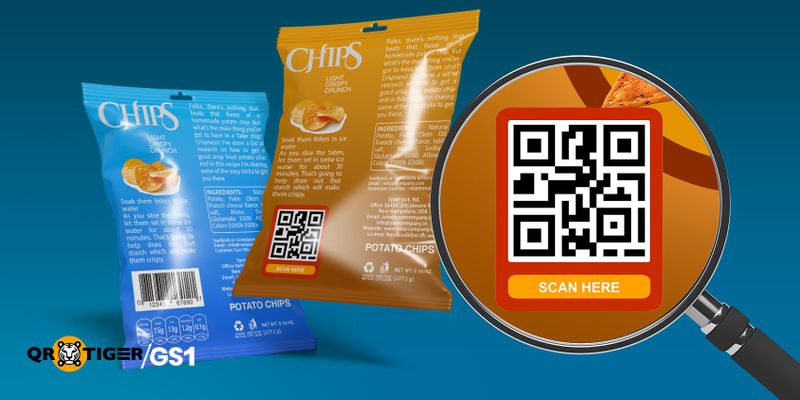
Identifying counterfeit barcodes isn’t always easy, but there are practical steps shoppers and retailers can take to protect themselves. Whether it’s a swapped sticker or a malicious QR code, vigilance helps ensure that the barcode you scan connects to the authentic GS1 record or trusted seller system.
Barcode stickers: Watch for stickers covering the original barcode. In some cases, retailers apply stickers legitimately, for example, to mark discounts, promotions, or re-labeled items.
Fraudsters may cover a product’s real barcode with a cheaper one to pay less, but it can also happen the other way. A seller could use a barcode to charge more than the correct price.
Always check the monitor at checkout, and if a sticker looks suspicious or out of place, pay extra attention.
In-store price checkers: If available, use in-store price check kiosks or handheld scanners to confirm that the scanned price matches the shelf tag. A mismatch could indicate tampering.
Phone scanners: For 2D barcodes such as GS1 Digital Link QR code, smartphone cameras can provide an extra layer of safety.
Most smartphone cameras can read QR codes. Make sure your setting is set up to let you view the URL before opening the link. This lets you verify the source before proceeding.
Here are the steps:
1. Scan the QR code with your smartphone camera.
2. Check the URL that appears. A legitimate GS1 barcode link usually looks like this:
https://product.brand/01/09506000134352/10/ABC123/21/512378/17/261106
3. Understand the URL structure:
- It starts with the brand’s name.
- 01 is the Application Identifier (AI).
- The next 14 digits are the GTIN (Global Trade Item Number).
4. Verify the GTIN
- Copy the 14-digit GTIN from the URL.
- Go to the Verified by GS1 website.
- Enter the GTIN to check if it is registered with GS1.
If the GTIN is not found, the barcode could be fake. This simple check ensures the barcode is legitimate and traceable.
This method works for both QR codes and traditional barcodes. For traditional barcodes, the GTIN is the product code printed below the bars.
Secure browsing: Always use trusted apps and secure browsers when scanning QR codes.
Malicious QR codes can redirect users to fake apps or phishing sites.
While the GS1 QR code is safe when properly implemented, customers should still stay cautious by avoiding unknown apps and checking URLs before clicking.
Why It’s Important to Identify Them
Identifying fake or swapped barcodes is crucial for several reasons:
- Avoid incorrect payments – Barcodes that have been switched or mislabeled can make you pay more or less than the product’s actual value. Overpaying harms you directly, while underpaying could unknowingly involve you in fraud.
- Prevent counterfeit purchases – Fake codes may hide knockoff or unsafe items.
- Ensure product safety and warranty – Counterfeit products may not meet safety standards, and warranties might not be valid.
- Protect personal and financial data – Some fake 2D Digital Link barcodes can redirect you to malicious websites.
- Maintain resale eligibility – Items with fake barcodes cannot be resold through programs like Amazon Transparency. Read more in our related blog.
For Manufacturers: Ensuring Your Barcodes Are Legitimate
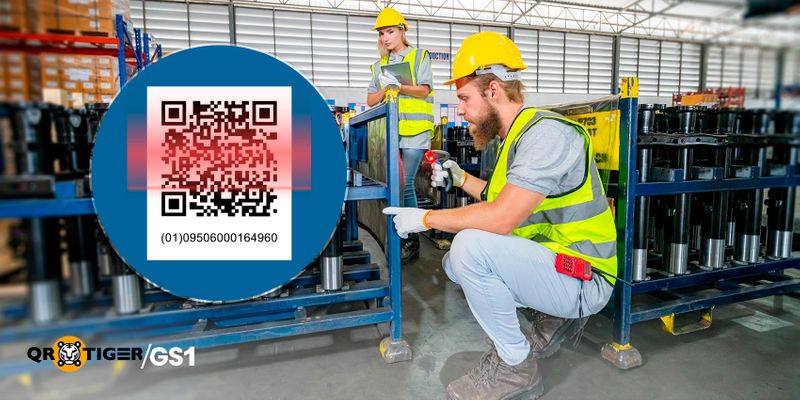
Counterfeit barcodes don’t just harm consumers; they also damage brand trust and disrupt supply chain management. Barcodes must be valid so manufacturers can safeguard products, support retail, and follow global standards. Here are the steps they can follow to ensure barcodes stay valid.
Step 1: Register with GS1
Start by registering with GS1, the global standards organization that manages product identifiers. This gives each product a unique GTIN, stored in a barcode recognized worldwide.
GS1 barcodes are trusted by retailers, marketplaces, and consumers. You also get access to tools like Verified by GS1, where barcodes can be checked against the correct product record.
Step 2: Maintain Accurate Data
Legitimacy isn’t just about the barcode symbol; it’s also about the data behind it.
Manufacturers must keep product details (like brand, weight, size, and safety info) updated in GS1’s database. Data accuracy ensures retailers can verify product authenticity and consumers can access reliable information.
Step 3: GS1 Digital Link QR Code Implementation
To get ready for Sunrise 2027, businesses can either generate GS1-compliant 2D barcodes themselves by following GS1’s official guidelines, or they can rely on trusted third-party tools such as QR Tiger’s GS1 QR code generator. The tool ensures codes meet GS1 standards while allowing customization for branding.
 Staying Ahead of Fake Barcodes
The fake barcode threat is rising as retail moves to 2D barcodes. Customers should watch for suspicious stickers, wrong prices, or unsafe QR links to avoid fakes and fraud. Manufacturers must register with GS1, keep product data accurate, and follow GS1 rules for QR codes.
In addition to simplifying checkout, barcodes help prove authenticity, give transparency, and connect with customers. By guarding against fake codes and following GS1 standards, both customers and brands can stay safe and ready for the Sunrise 2027 initiative.
FAQs
1. What are the harmless uses of unofficial barcodes?
Decorative Barcodes – Barcodes printed on products purely for looks. They are not meant to be scanned.
Test or Sample Barcodes – Used by software developers, scanner manufacturers, or retailers to test and calibrate scanning systems. They help ensure scanners work correctly without using real product data.
2. Why should manufacturers use barcodes registered to GS1?
Registering with GS1 makes each barcode unique and trusted globally. It helps avoid duplication, keeps products compliant with international trade standards, and protects businesses from fraud. GS1 barcodes are accepted everywhere, making them essential for proper product identification.
3. Can counterfeit barcodes affect supply chain management?
Yes, they cause problems in supply chain management by mixing up product data. This can lead to inventory mistakes, shipping delays, and compliance issues. Unique identifiers are essential for smooth logistics and product traceability.
4. What risks do counterfeit barcodes pose to consumers?
For traditional barcodes, fake codes may cause overcharging, incorrect product information, or expired or unsafe items being sold.
With 2D Digital Link barcodes, the risks extend further. Scammers can redirect consumers to fake websites, misleading product information, or malicious content. This can lead to fraud, phishing, or unsafe product use.
In short, counterfeit barcodes compromise safety, accuracy, and trust for anyone buying or using the product.

DISCLAIMER: We acknowledge that GS1, as well as the materials, proprietary items, and all related patents, copyright, trademark, and other intellectual property (collectively, “intellectual property”) relating to its use, are the property of GS1 Global, and that our use of the same shall be in accordance with the conditions provided by GS1 Global.
